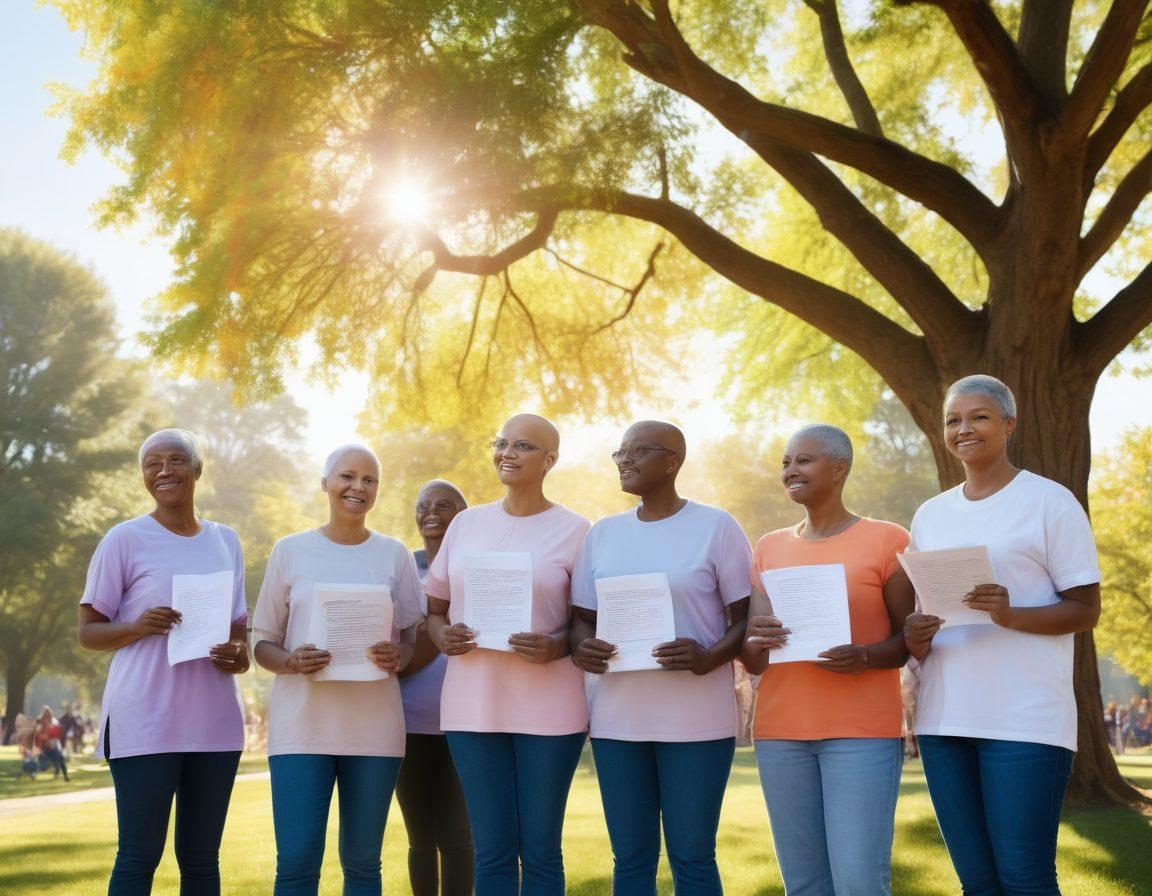
Navigating Cancer: Empowering Patients Through Research, Resources, and Recovery
Empowering patients in the realm of cancer care is crucial, and it starts with knowledge. When someone hears the words 'you have cancer,' it can feel like the ground has shifted beneath their feet. The immediate reaction is often filled with fear, uncertainty, and a frantic need for answers. But amidst these shadows, there exists a wealth of resources and research that can help light the way toward healing. As we delve deeper into this oncology blog, let’s uncover how patients can harness the power of cancer resources, advocacy, and education to reclaim their health and their lives.
Have you ever witnessed the journey of a cancer survivor? Their strength often inspires us all. It’s heartwarming to hear quotes like, 'I’m not just a survivor; I’m a warrior,' which exemplify resilience in the face of adversity. Empowerment in cancer care comes from understanding one’s diagnosis, treatment options, and most importantly, the support available. Access to cancer news and the latest medical research is pivotal for patients as they navigate their path toward recovery. These vital resources not only foster awareness but also encourage proactive decision-making about their health.
One key aspect of empowerment is patient education, and with the continually evolving field of cancer research, staying informed is essential. Patients need to be equipped with knowledge about their malfunctioning cells—whether it involves tumor research, symptom management, or new treatment options. How are patients expected to make informed decisions if they don’t have the right cancer education at their fingertips? Community health blogs and advocacy groups serve as platforms for shared experiences and comprehensive information, allowing patients to feel less isolated during their journey.
Moreover, survivorship information plays a crucial role in holistic health beyond treatment. It's not just about fighting cancer; it’s about living life fully after overcoming malignancy. There are many wellness tips and strategies available for those navigating cancer recovery, emphasizing maintaining a healthy living routine. By embracing nutrition, exercise, and mindfulness, survivors can enhance their quality of life and minimize the chances of recurrence. The connection between mental well-being and physical health cannot be overstated, thus creating a supportive environment for patients is a collective responsibility.
As we consider all these aspects, the question remains: how can patients actively take charge of their health journey? Engaging in regular dialogue within support networks, staying updated on cancer statistics, and seeking out user-friendly cancer resources are steps patients can take towards empowerment. Amidst the trials of cancer care, remember that every story can lead to advocacy, awareness, and ultimately healing. It’s time for patients not just to survive but to thrive, making the most of the resources available and turning their cancer battle into a powerful narrative of resilience.
The Journey to Recovery: Advocacy, Education, and Wellness Tips for Survivors
The journey to recovery from cancer is a path that many individuals embark on, laden with both challenges and triumphs. As you navigate through the twists and turns of this journey, the importance of advocacy, education, and wellness tips cannot be understated. Each step forward can feel monumental, and with the ever-evolving world of cancer news and tumor research, it's crucial for survivors to arm themselves with the knowledge and resources necessary to thrive. After all, 'the greatest discovery of my generation is that a human being can alter his life by altering his attitude.' – William James. So, the question is: how can you alter your journey for the better?
Advocacy plays a fundamental role in the cancer recovery landscape. As you reclaim your life, being an active participant in the ongoing conversation around cancer care and survivorship information empowers not only you but also others in similar situations. Informed patients lead to informed communities. Engaging in cancer advocacy allows survivors to share their stories, inform cancer education, and push for better treatment options and patient support systems. As you advocate for yourself and others, remember that the fight against malignancy is not just personal but collective.
Education is your best ally in the battle against cancer. With access to countless health blogs and oncology blogs, you have a treasure trove of cancer resources at your fingertips. Knowledge creates empowerment, and understanding cancer statistics can help you make informed decisions about your care and wellness. What treatments are available? What lifestyle changes can promote symptom management? What do you need to know about recurrence? These questions often weigh heavily on the minds of survivors, and seeking answers can help alleviate the burden of uncertainty.
Incorporating wellness tips into your daily life post-recovery can significantly enhance your quality of life. Embracing holistic health practices such as mindfulness, nutritious eating, and physical activity can aid in maintaining your overall well-being. Studies demonstrate that healthy living choices not only promote physical health but also support emotional resilience during recovery. Consider reflecting on your experiences with cancer and exploring how you can turn those experiences into strength, paving the way for a fulfilling life ahead. What new healthy habit will you adopt today?
Ultimately, the journey to recovery is profoundly personal, yet it is a journey that can inspire many. By sharing your experiences through advocacy and education, offering support to fellow survivors, and embracing a lifestyle steeped in wellness, you contribute to a larger movement focused on survivorship information and cancer care. Remember, recovery is not just about surviving—it's about thriving. Let us celebrate the courage of those who fought, the strength of those who heal, and the unwavering hope that guides every patient's journey. What will your next step be in this beautiful act of living fully?
Navigating the Oncology Landscape: From Tumor Research to Patient Empowerment
Navigating the oncology landscape can feel like stepping into a labyrinth—complex, multi-faceted, and often overwhelming. But remember, in this journey, you are not alone. From tumor research to patient empowerment, understanding the current trends and opportunities in cancer care can not only inform your choices but also inspire hope. So, are you ready to dive deep into the world of cancer management and discover the tools available to you?
Tumor research has unveiled groundbreaking insights, leading to cutting-edge treatment options that move beyond the traditional. Think of it this way: just as a gardener nurtures specific plants to achieve a vibrant garden, medical researchers work tirelessly to cultivate treatments tailored to individual needs. As you scroll through the latest cancer news on an oncology blog or health blog, take a moment to ponder—what advancements seem particularly promising to you? This awareness can guide discussions with healthcare providers, helping empower you to make informed decisions about your cancer care.
Patient empowerment is not just a buzzword; it's a philosophy that invites individuals to take charge of their health journey. Consider how armed with the right cancer resources, one can become an advocate for their own well-being. From seeking out survivorship information to exploring holistic health approaches, individuals have a wealth of options at their fingertips. By engaging with cancer education and knowing the specific cancer statistics relevant to your situation, you empower yourself to navigate through adversity with resilience. So, how might you start using these resources in your journey?
One of the most crucial aspects of cancer navigation is the support system in place. Discovering patient support networks—both local and online—can illuminate paths to emotional healing and provide comforting community connections. Imagine sharing your experiences with others who are walking the same path—it's a powerful reminder of our collective strength. As you explore wellness tips from fellow survivors, you may uncover insights into symptom management and healthy living that resonate with your lifestyle. After all, recovery is not just about the absence of disease; it's about flourishing in every facet of life.
In conclusion, the oncology landscape is vast, but it also brims with resources and opportunities for growth. With a constant stream of medical research and innovations taking place, combined with a growing emphasis on patient education and advocacy, you have the tools to reclaim your narrative. As you navigate this journey, remember—your voice matters, and with the right knowledge and support, you can champion your own path through this intricate web of cancer care. What will be the next step in your journey towards empowerment and recovery?